


Landscape with Flash
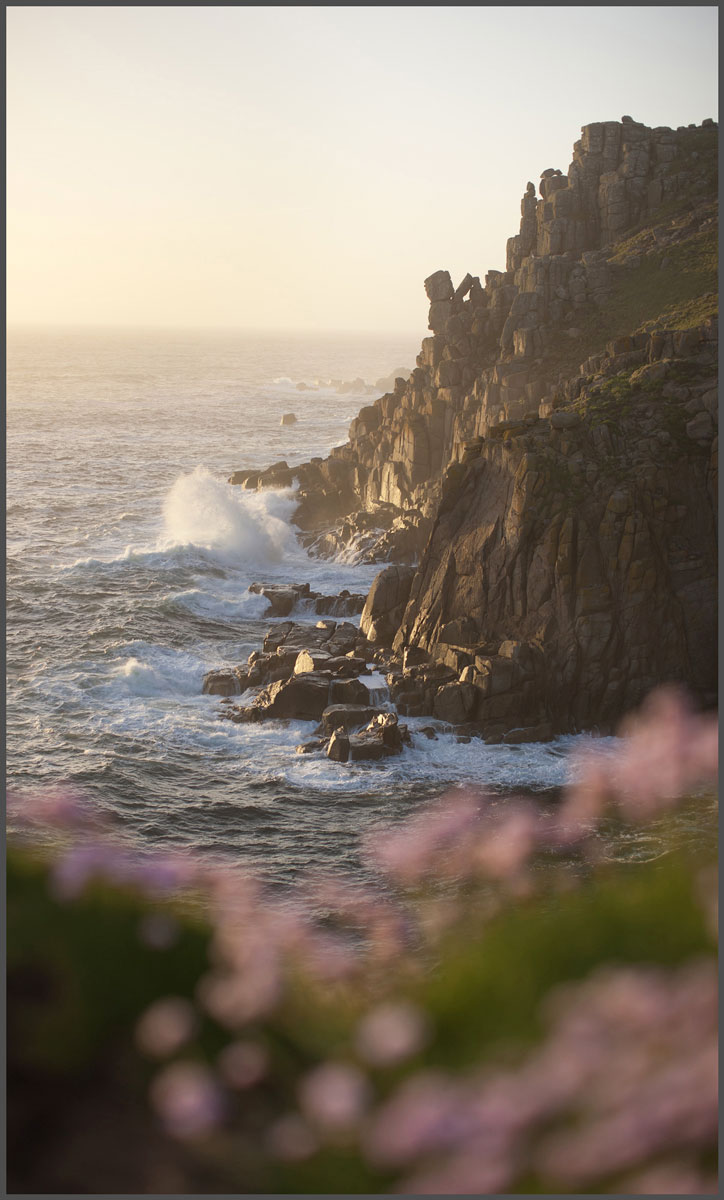
Photographing directly into the sun can cause a few issues as sometimes items the foreground can be a bit dark and in shadow. However, a touch of flash in high-speed sync mode is all that is needed to add a splash of colour and enhance your image.
For this photography class Karl, travels to Land’s End in Cornwall to capture stunning landscape images using this simple but effective technique. He demonstrates each step and provides a clear comparison of results with and without flash to show what a difference this technique can make.
In this class:
- Landscape photography tips
- Creative composition for landscape photography
- How to use fill in flash for landscape photography
- How to adjust flash power
Questions? Please post them in the comments section below.
Comments
Might be handy to either sinc still images as taken with video or have a tethered screen so we can see what you are talking about as you change settings.
Hi Ned, yes you’ll see that we do that more regularly in our videos, this particular video is from some years ago.
Hi Karl, for now I only have 85mm 1.2 , Have you tried using this lens to take pictures like this ? yato
Hi, that won’t work please see the chapter on lenses and optics to understand why. Please also watch the introduction course from chapter 1 through in order as it will enhance your overall understanding of what you need.
I love Cornwall, some good photo opportunities there.
The shallow DOF gets me every time on pictures like this. I just don’t understand why the shallow DOF on a subject so far away. What is your focal length? What am I missing or not understanding about these types of shots? I would have thought the flowers would have been in focus and the rocks a little blurry. I’m just not understanding something. Can you tell what it is that I’m not understanding?
Hi Gina, if I remember correctly this was shot vertically on a 50mm 1.2 but a 1.4 or 1.8 would have given a similar result. The first thing to help achieve it is the fact that I’m focused on the cliffs far away and that the flowers are quite close to the lens and then the second thing is shooting with the lens at a large aperture like 1.4 or 1.8.
I notice that in many of these tutorials the camera used is listed as Canon 5D Mark III, where in fact the video shows you holding the Canon 1. I would like to know if you would have achieved the same or similar results with the 5D. Also, which version of the 1 you are using and why.
Hi Sorin, I’ve used various 5d’s over the years from the mark 1 through to my current mark 3, I’ve also used 1ds and many other cameras. The results are all good for nearly all types of photography, the more recent cameras are better in low light with higher ISOs apart from that you won’t notice much difference.